Sam Stocker
インスタレーション、彫刻、パフォーマンス/Installation, Sculpture, Performance
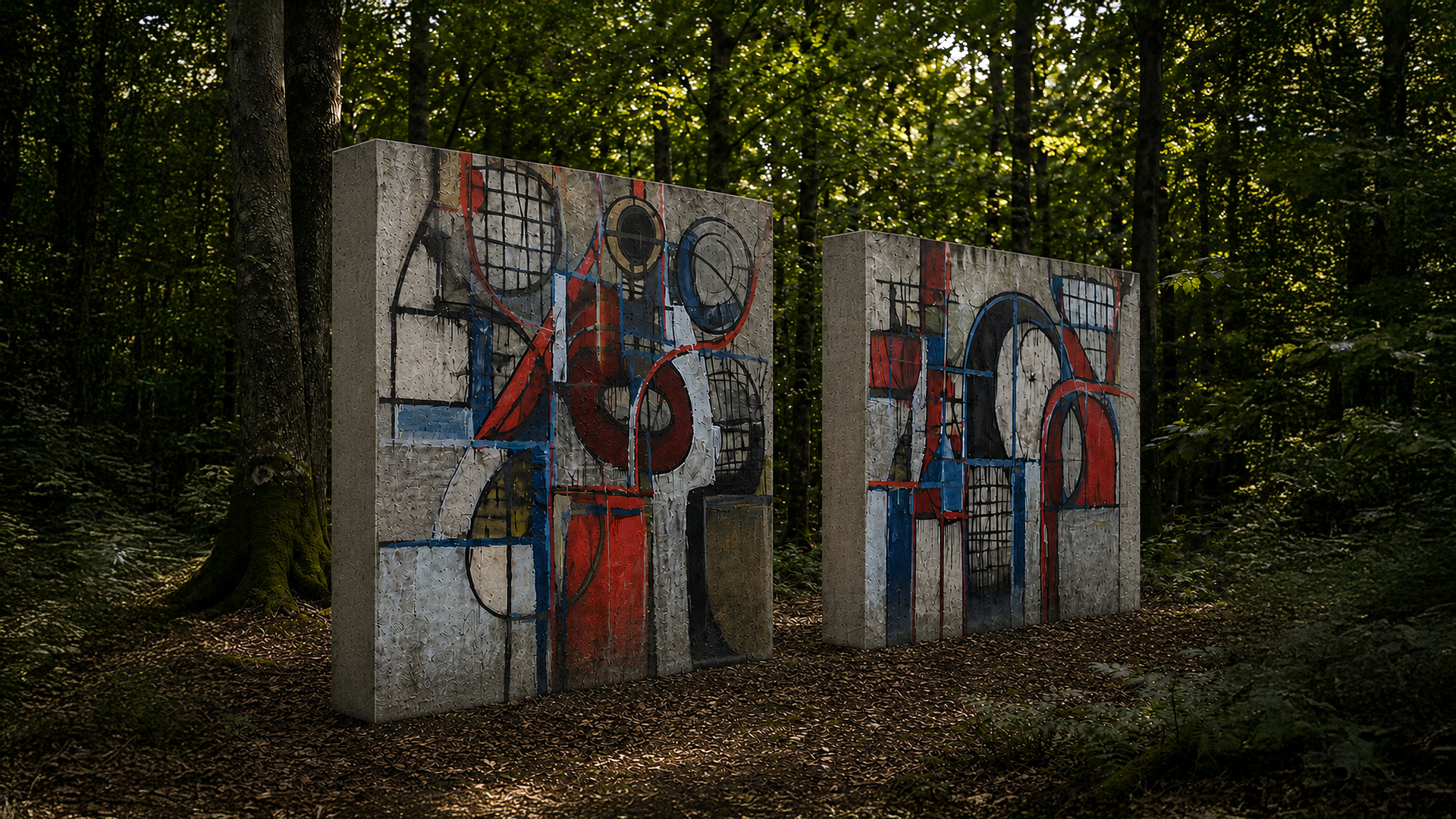
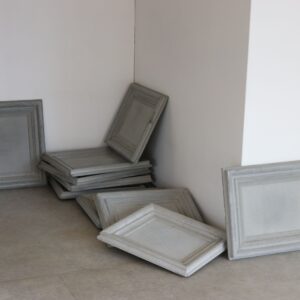
《Welcome to Motherland》
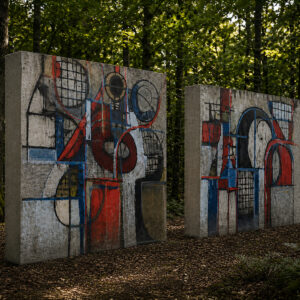
素材:コンクリート、木材、鏡、アクリル絵の具、ミクストメディア
Materials: Concrete, timber, mirror, acrylic paint, mixed media
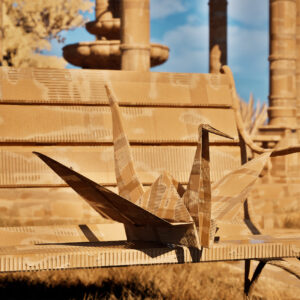
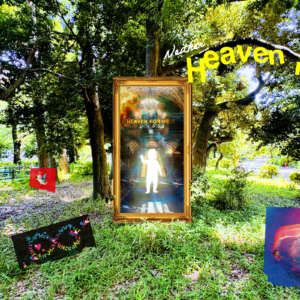
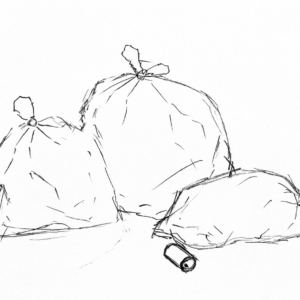
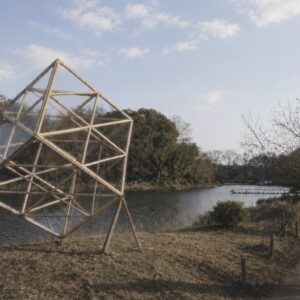
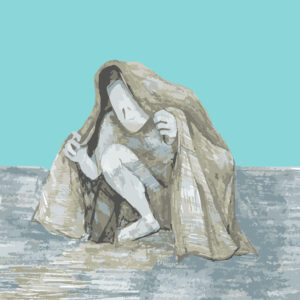
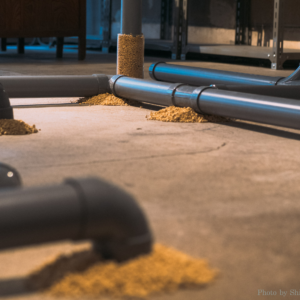
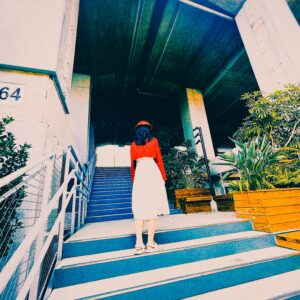
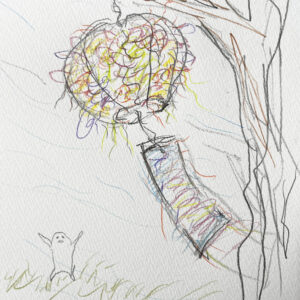
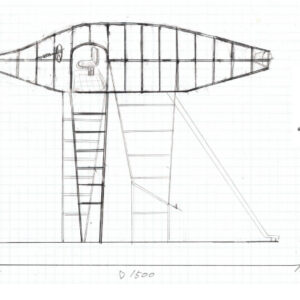
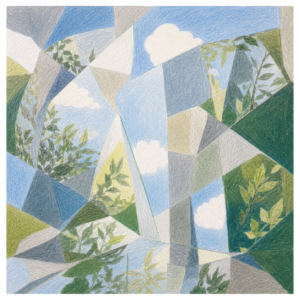
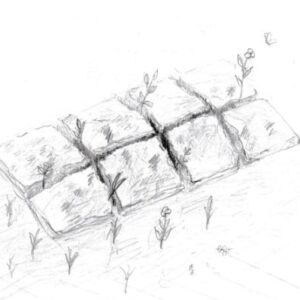
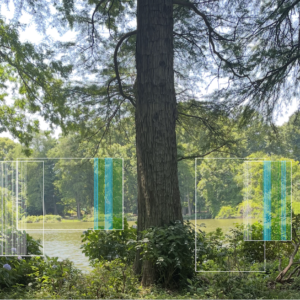
「Welcome to Motherland」は、注意深く鑑賞することで意義を見出せる、絵画的に表現された建築の断片を通じて、隠された存在を探求する作品です。来場者は断片的な光景しか目にすることができず、それによって記憶、知覚、そして想像上の居住空間について思索を促されます。ここでは、直接的な啓示ではなく、好奇心を通じて意味が浮かび上がってくるのです。
Welcome to Motherland explores hidden presence through painted architectural fragments that reward careful looking. Visitors discover only partial views, encouraging reflection on memory, perception, and imagined habitation, where meaning emerges through curiosity rather than direct revelation.
■さらなる鑑賞のヒント More Tips for Appreciating the Art
「Welcome to Motherland」 は、直接足を踏み入れることのできない、想像上の場所を提案するインスタレーションです。完成された環境を再現するのではなく、建築の断片、絵画、そして隠された空間を組み合わせることで、鑑賞者がその向こう側にある「人の営み」を想像する余地を生み出します。本作品は一つの場所を再構築することを目的とするのではなく、不完全な出会いの連続として構成されており、「何が見えているのか」「何が見えていないのか」、そして場所とは記憶や想像、知覚を通してどのように意味を獲得していくのかを問いかけます。
私は、建築が人間の姿を直接示すことなく、その存在を感じさせることができるのではないかということに関心を持っています。一枚の壁や開口部、あるいは描かれた痕跡だけでも、そこに人が存在していた気配を想起させることがあります。本作品に登場する構造物は、どこか見覚えがありながらも、本来の文脈から切り離されたような建築の断片として配置されます。それらは遺跡や記念碑として存在するのではなく、「見えるもの」と「見えないもの」の境界となる装置として機能します。鑑賞者は作品の周囲を歩き、視点を変えながら、直接見ることのできない空間を自らの想像によって補完していくことになります。
タイトルである 「Welcome to Motherland」 は、特定の国家や文化的アイデンティティを示すものではありません。むしろ、建築や記憶、そして個人的な経験の断片から組み立てられる「想像上の故郷」を意味しています。作品には、イギリスの視覚文化や戦後建築、グラフィティ、抽象絵画、そして日常的な居住空間への参照が含まれていますが、それらは本来の場所から切り離され、森という異なる環境へ移し替えられています。その結果、それらは国民性や文化を表象するものではなく、「場所はどのように記憶され、再構築され、そして想像され続けるのか」という問いへと変化していきます。
本作品は、今年のテーマ 「Illusory Sights, Phantom Echoes(幻影の風景、残響する記憶)」 に対し、視覚的な仕掛けによって幻想を演出することを目的としていません。むしろ、「見る」という行為そのものの中から幻想が立ち現れる状況をつくり出そうとしています。作品はあえて全体像を明らかにせず、鑑賞者が歩き、探し、繰り返し作品と向き合うことで、少しずつ意味が立ち上がっていく構成となっています。一見すると静かな建築の断片に見えるものが、やがて目に見えない気配や失われた記憶の存在を示唆し始めます。本作品は明確な答えを提示するのではなく、鑑賞者一人ひとりの想像力によって完成される体験を目指しており、その中で記憶・知覚・空間の雰囲気そのものを作品の素材として扱いたいと考えています。
Welcome to Motherland proposes an imagined place that cannot be entered directly. Rather than constructing a complete environment, the project assembles fragments of architecture, painting, and concealed spaces that invite visitors to imagine forms of habitation that remain just beyond reach. The installation is conceived not as a reconstruction of a place, but as a series of incomplete encounters that encourage visitors to question what is present, what is absent, and how places accumulate meaning through memory, imagination, and perception.
I am interested in the way architecture can suggest human presence without representing it directly. A wall, a doorway, or a painted surface can imply occupation long after the people who once inhabited it have disappeared. Throughout the installation, visitors encounter structures that appear both familiar and displaced, borrowing from architectural forms while resisting any clear narrative or identifiable location. Rather than functioning as ruins or monuments, these fragments become thresholds between the visible and the concealed, encouraging visitors to move around them, search for different viewpoints, and construct their own understanding of what lies beyond immediate perception.
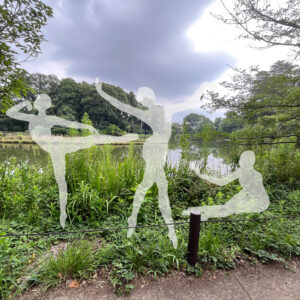
The title Welcome to Motherland deliberately remains open. It does not refer to a specific country or fixed cultural identity, but to an imagined homeland assembled from fragments of memory, architecture, and personal association. References to British visual culture—including abstract painting, post-war architecture, graffiti, and domestic space—are intentionally displaced from their original context and relocated within the woodland. Removed from familiar surroundings, these elements become less about national identity than about the way places are remembered, reconstructed, and continually reimagined.
In response to the theme Illusory Sights, Phantom Echoes, the project does not attempt to create illusion through spectacle. Instead, it proposes that illusion emerges through the act of looking itself. The installation withholds complete understanding, allowing meaning to unfold gradually through movement, curiosity, and repeated encounters. What initially appears to be a series of quiet architectural fragments slowly suggests the possibility of unseen occupation and hidden histories. Rather than providing answers, the work invites visitors to complete the experience through their own imagination, allowing memory, perception, and atmosphere to become the primary materials of the installation.
■プロフィール/Profile
イギリス出身のアーティスト。絵画、インスタレーション、パフォーマンス、そして芸術的リサーチといった手法を用い、場所、記憶、建築、参加といったテーマを探求する学際的な制作活動を行っています。
Sam Stocker is a British artist based in Japan whose interdisciplinary practice explores place, memory, architecture, and participation through painting, installation, performance, and artistic research.
www.samstocker.com
https://www.instagram.com/samsstocker/
https://www.facebook.com/share/1CaKvBsuMc/








 読み込み中...